Common access problems for Southwark gardeners in narrow mews
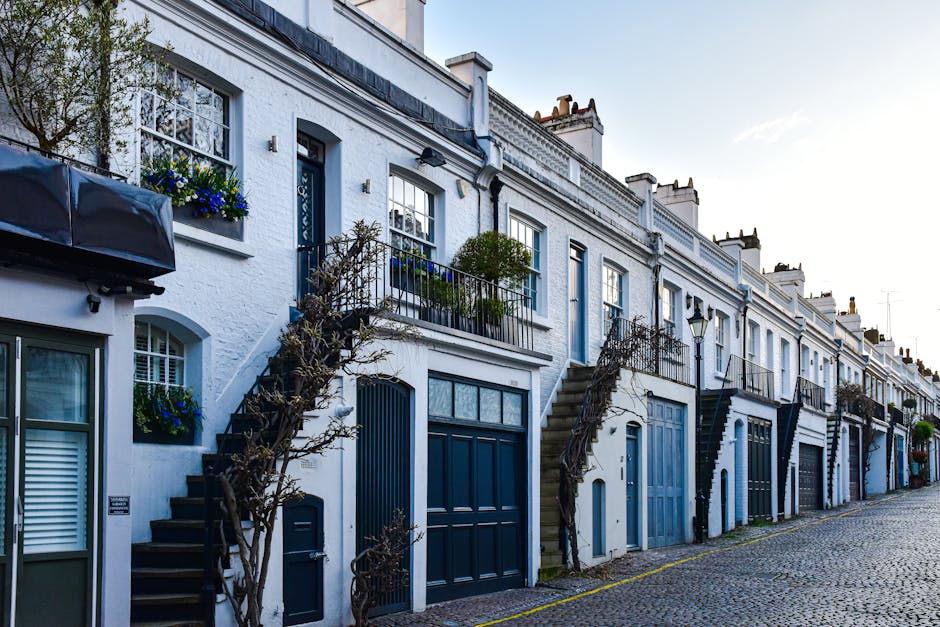
Narrow mews can look charming from the street and feel like a minor puzzle the moment a gardener turns up with tools, green waste bags, a mower, or a wheelbarrow. In Southwark, that puzzle comes up more often than people expect. Shared entrances, tight turns, basement steps, parked cars, low walls, fragile paving, and limited storage all create access challenges that can slow work down or make certain tasks awkward from the start. This guide looks closely at the common access problems for Southwark gardeners in narrow mews, why they matter, and what actually helps in real life.
If you are planning regular upkeep, a one-off clearance, or a bigger landscaping project, understanding the access issues first can save time, reduce disruption, and avoid a slightly stressful day where everyone is trying to squeeze past a hedge trimmer in a passage barely wider than a shopping trolley. Let's face it, no one enjoys that.
Why access problems in narrow mews matter
Access is not just a convenience issue. It shapes what can be done, how quickly it can be done, and how safely the job can be completed. In a narrow mews, even a routine visit can become more complicated if the garden sits behind a shared gate, through a passageway, or around a corner with no easy loading point.
For gardeners, poor access can mean longer setup time, more manual carrying, and a higher chance of repeated trips back and forth. For clients, that often shows up as more noise, more disruption, and sometimes a narrower set of options for work scheduling. If a garden clearance or hedge trim sounds simple on paper, access can be the detail that changes the whole day.
There is also the issue of damage. Tight routes leave less room for error, and one awkward turn with a mower, ladder, or soil sack can scuff paintwork, chip brickwork, mark paving, or bruise planting that the client actually wants to keep. On a wet morning, the risk goes up a bit. Mews surfaces can be slippery, and many are older than they look.
Practical takeaway: the earlier access is discussed, the better the visit tends to go. A quick conversation before arrival often prevents half the hassle later.
How access is usually handled
In practice, handling access in narrow mews is a mix of planning, communication, and choosing the right method for the site. Good gardeners do not assume the front gate tells the whole story. They ask where the tools can be brought in, whether a side entrance is usable, and whether there is somewhere sensible to leave waste without blocking neighbours or deliveries.
Typical access planning usually starts with a few simple checks:
- How wide is the narrowest route into the garden?
- Are there steps, thresholds, or tight corners?
- Can a wheelbarrow, sack trolley, or mower fit through?
- Is there safe parking or loading nearby?
- Will the work create waste that needs multiple trips out?
Sometimes the answer is straightforward. A careful gardener arrives with smaller tools, does the job by hand, and keeps movement compact. Other times, the site needs a more adjusted plan, such as splitting the work into stages or using lightweight equipment instead of heavier kit. There is no single perfect method, annoyingly enough, because mews properties vary so much.
One thing that often surprises people is how much simple sequencing matters. If the team can prune first, clear second, and tidy last without constantly retracing steps, the day runs better. If not, everyone ends up in a narrow corridor carrying the same branch twice. Not ideal.
Key benefits of planning access properly
When access is thought through properly, the benefits are immediate and very practical. The work usually feels calmer, looks tidier in progress, and finishes with less risk of accidental mess. In a compact Southwark mews, that calm can be worth a lot.
- Less disruption: fewer awkward movements through shared spaces and less chance of blocking neighbours.
- Better efficiency: tools and waste can be moved in a more direct rhythm.
- Lower damage risk: narrower routes are safer when the route is planned rather than improvised.
- Cleaner finish: the team can focus on the garden, not on wrestling with access every five minutes.
- More accurate quoting: when access is described properly, quotes tend to reflect real work rather than assumptions.
There is also a confidence benefit. Homeowners and property managers often feel more comfortable when the gardener seems to understand the site before arriving. That trust matters, especially where shared courtyards or neighbours' windows are close by. It is a small thing, but it changes the tone of the whole visit.
If you are comparing service options, it can be useful to look at the full range of services and choose the one that matches the access conditions rather than the other way round. Sometimes a lighter maintenance visit is more realistic than a heavy clearance job in a cramped passage. Sometimes it is the opposite.
Who this is for and when it makes sense
This topic matters for a fairly wide group of people. If your garden sits behind a mews lane, through a shared archway, or down a passage with limited turning space, the access question is relevant whether you manage one planter bed or a more ambitious outdoor space.
It is especially useful for:
- homeowners with compact rear gardens
- landlords preparing a property between tenancies
- property managers coordinating shared access
- residents in converted buildings with awkward rear entries
- clients planning regular maintenance rather than one-off work
It also makes sense when you are arranging more specialised work. For example, hedge trimming can be simple in the open and awkward in a mews if the trimmings have to be carried through a narrow route. Tree work can be even trickier, depending on how much material needs removing and whether ladders or sectional dismantling are involved. For that kind of work, the gardener may need to think differently from the start, and sometimes a proper discussion around tree lopping and removal is the sensible route.
Truth be told, if you have ever watched a gardener try to reverse a wheelbarrow around a tight corner, you already know why this matters.
Step-by-step guidance
Good access planning does not need to be complicated. It just needs to be honest and specific. Here is a practical way to approach it.
- Measure the access route. Note the narrowest point, gate width, steps, and any awkward turns.
- Identify the loading point. Decide where tools can be safely unloaded without blocking the mews or upsetting neighbours.
- List the likely tasks. A light tidy-up, lawn mowing, or hedge trimming will have very different access needs from a full clearance.
- Check surface conditions. Wet slabs, loose gravel, and uneven old paving can make carrying waste slower and less safe.
- Plan the waste route. Green waste and cuttings need an easy path out. If the route is long, say so early.
- Decide what can be done by hand. In narrow mews, hand tools often work better than bulky kit.
- Build in time for movement. Even a well-run job may take longer if every bag has to be carried through a tight passage.
A useful habit is to walk the route once before the job starts. You notice things then that are easy to miss in an email. A bin store that blocks a gate. A step that feels harmless until you carry a sack of soil. A neighbour's bike leaning exactly where it should not be. Small things, yes, but they add up.
If the access is likely to affect the type of work chosen, you may want to compare a maintenance visit with a larger tidy-up. Regular visits through garden maintenance are often easier to manage in narrow spaces than letting everything grow until a bigger, more complicated intervention is needed.
Expert tips for better results
After a while, you start to see patterns. The same access problems turn up again and again, and the same small fixes make a noticeable difference.
- Use smaller loads: two lighter trips are often better than one overfilled, awkward one.
- Protect tight corners: a folded sheet, board, or temporary barrier can prevent scuffs where walls are close.
- Choose the right time: early morning or a quieter window can make shared access far less stressful.
- Keep the route clear: even one bin bag in the wrong place can become a proper obstacle.
- Match the equipment to the site: compact tools and hand finishing are often a better fit than forcing larger machines into a narrow mews.
For routine shaping, hedge trimming can be planned so clippings are contained from the start, which saves a lot of back-and-forth. For lawn care, a small mower or even a different mowing pattern can make the job easier in places where carrying larger equipment would be a headache. It is not glamorous, but it works.
And one slightly old-school tip: keep a small clear zone near the entrance if you can. It gives everyone a breathing space. You would be surprised how much calmer the whole job feels when there is a place to set down tools without doing a balancing act.
Common mistakes to avoid
The biggest mistake is assuming access will sort itself out on the day. It usually does not. A narrow mews has a habit of making the unplanned parts feel much larger than they seemed on the phone.
- Not describing the route clearly: "easy rear access" means different things to different people.
- Leaving bins, bikes, or furniture in the way: access can be lost before work even begins.
- Ignoring waste removal: a job may look simple until all the cuttings need to come back out.
- Choosing bulky equipment without checking fit: what works in a suburban driveway may be clumsy in a mews.
- Underestimating neighbour impact: shared access and close windows mean noise and movement matter more.
- Skipping the site visit or photo check: even a few pictures can reveal obstacles that a written description misses.
Another common slip is assuming that "small garden" means "easy access." Those are not the same thing. A compact garden behind a deep passage or through a narrow alley can be more awkward than a larger garden with direct entry. Slightly unfair, but that's life in dense London housing stock.
Tools, resources and recommendations
The right tools make access work much easier. In narrow mews, the focus is usually on compact, flexible, and low-disturbance kit rather than large machines.
| Situation | Better option | Why it helps |
|---|---|---|
| Tight gates or narrow side passages | Hand tools, folding tools, small buckets | Easier to carry and less likely to snag on walls or rails |
| Repeated green waste removal | Light bags, smaller loads, staged clear-out | Reduces strain and prevents blocked walkways |
| Awkward corners and steps | Sack trolley or compact carrying system | Improves safety and reduces accidental drops |
| Delicate paving or painted surfaces | Protective coverings and careful route planning | Helps avoid marks, scratches, and edge damage |
| Shared access with neighbours nearby | Short, pre-agreed work windows | Minimises friction and keeps movement predictable |
For larger overgrowth, the better choice may be to start with a proper clearance rather than trying to push an overgrown site through a maintenance-only approach. In many cases, garden clearance is the cleaner starting point because it reduces bulk before the regular upkeep begins.
If your mews garden is being redesigned rather than simply maintained, a more considered approach through landscape gardening or broader landscaping can help future-proof access as well as improve the finished space. That part gets overlooked too often, honestly.
It can also help to ask about waste handling and sustainability practices. In tight residential areas, fewer unnecessary movements and better sorting can make the whole job feel less messy. If that matters to you, recycling and sustainability is a worthwhile topic to raise early.
Law, compliance and best practice
Access planning in a narrow mews is not usually a legal minefield, but there are still sensible standards and duties to keep in mind. The main point is simple: work should be carried out safely, without creating unnecessary risk to workers, residents, or passers-by.
In the UK, good practice generally means taking reasonable care with manual handling, keeping pathways clear where possible, and avoiding unsafe lifting or blocked exits. Where shared access is involved, it is sensible to think about neighbour relations as part of the job, not as an afterthought. That includes managing noise, protecting surfaces, and not leaving waste or tools where they create a trip hazard.
For professional gardeners, it is also sensible to check insurance cover and health and safety arrangements before work starts, especially on awkward sites. If you are comparing providers, pages such as health and safety policy and insurance and safety are useful indicators of how seriously a company takes site risk. You may not need every detail, but you do want to know the basics are in place.
Clear terms also matter when access affects timing, scope, or equipment choice. If a job may change once the site is inspected, it helps to understand the provider's approach to pricing and expectations. A straightforward pricing and quotes page can make that conversation much easier, and the terms and conditions should explain the working relationship clearly enough for both sides.
There is also a basic respect issue here. Narrow mews often sit close to other homes, and good access practice includes being considerate about blocking shared routes, leaving surfaces clean, and keeping the job tidy as it progresses. Not everything needs a formal policy. A bit of common sense goes a long way.
Options and comparison table
Different access constraints call for different approaches. There is no magic solution, but there is usually a better fit if you think it through. The table below compares the most common ways gardeners adapt to narrow mews conditions.
| Approach | Best for | Pros | Trade-offs |
|---|---|---|---|
| Hand-carrying tools and waste | Very tight or delicate routes | Flexible, low damage risk, easy to adapt | Slower and more physically demanding |
| Compact equipment | Small gardens with limited gate width | Improves efficiency while staying manageable | May still be too large for some corners or steps |
| Staged visits | Overgrown or bulky jobs | Reduces pressure on access and waste removal | May take more than one appointment |
| Maintenance-first approach | Properties needing regular attention | Keeps growth under control and avoids big clearances | Requires ongoing scheduling |
| Redesigned access-aware landscaping | Gardens due for a bigger refresh | Can improve long-term usability and future access | Needs more planning and may cost more up front |
In many Southwark mews gardens, the best answer is a blend of methods rather than one pure approach. A small clearance first, then routine maintenance, then perhaps some access-aware improvements later. That is often the calmest route.
Real-world example
Picture a rear garden reached through a narrow shared passage with one sharp turn, a low step, and a bin area that neighbours use daily. Nothing dramatic. Just awkward enough to slow everything down.
On the first visit, the gardener notes that a standard mower will not comfortably make the turn and that a pile of clipped ivy could block the passage if it is left until the end. Instead of forcing the job, the work is broken into sections: hand tools for the tight edge, cuttings bagged in smaller loads, and the heaviest waste removed before tidying the last corner. A second pair of hands is not always needed; sometimes just better sequencing does the trick.
The difference is obvious. The route stays open, the neighbour's bike is not moved five times, and the garden ends up looking finished rather than half-complete and a bit weary. The client, quite understandably, is happier because the day does not feel like a logistical skirmish.
For some properties, that same logic carries over to lawn care and general upkeep. A regular service through lawn mowing may be more sensible than waiting until the grass gets long enough to create extra waste and extra carrying. Small choices. Big difference.
Practical checklist
Use this quick checklist before any gardener visits a narrow mews property.
- Have you measured the narrowest access point?
- Are there steps, slopes, or uneven slabs to mention?
- Do neighbours share the route or parking space?
- Is there enough room to unload tools without blocking access?
- Will the work create a lot of green waste?
- Have you said whether the job is clearance, maintenance, trimming, or a broader redesign?
- Are there delicate surfaces, painted walls, or fragile planting near the route?
- Do you need the work done at a quieter time of day?
- Have you shared photos of the gate, passage, and rear entry if asked?
- Do you know who to contact if access changes on the day?
If you can answer most of those before the visit, you are already ahead of the game. A few minutes of preparation saves a surprising amount of hassle later on.
Get a free quote today and see how much you can save.
Conclusion
Common access problems for Southwark gardeners in narrow mews are rarely dramatic on their own, but they shape the whole experience of a job. Tight gates, shared routes, tricky turns, limited loading space, and awkward waste removal can all turn a straightforward garden task into something slower and more delicate than expected.
The good news is that most of these issues are manageable with honest communication, careful planning, and the right kind of equipment. If you understand the access conditions first, it becomes much easier to choose the right service, avoid unnecessary damage, and keep the work moving at a sensible pace. That is what good garden work in compact London spaces looks like: unflashy, careful, and surprisingly satisfying when it goes well.
And really, that quiet sense of order is what a narrow mews garden needs most.
Frequently Asked Questions
What are the most common access problems for Southwark gardeners in narrow mews?
The most common issues are narrow gates, shared entrances, tight corners, steps, limited parking, and awkward waste removal routes. In some cases, the main problem is not the garden itself but the path to it.
Can gardeners work in a mews with very limited side access?
Usually yes, but the approach may need to change. Smaller tools, lighter loads, and hand work often make the difference. The gardener may also need to allow more time for carrying materials in and out.
Does narrow access make gardening more expensive?
It can, depending on how much extra time, labour, or equipment adjustment is needed. The fair answer is that access difficulty may affect the quote, especially for clearance or heavier jobs. Clear site information helps keep pricing accurate.
Should I send photos before booking a visit?
Yes, if possible. A few photos of the gate, passage, steps, and rear entry can reveal practical issues early. That usually leads to a more realistic plan and fewer surprises on the day.
What if neighbours share the access route?
Then timing and communication matter even more. It is sensible to keep the route clear, avoid blocking shared spaces, and choose a work window that causes minimal disruption. A little courtesy goes a long way in close quarters.
Is a lawn mower always suitable for narrow mews gardens?
Not always. In tight spaces, a compact mower or an alternative method may work better. Sometimes the route into the garden is the main limiting factor, not the lawn itself.
How do gardeners handle waste in a narrow mews?
They may use smaller loads, bag waste in stages, and plan the removal route carefully. For overgrown gardens, a separate clearance approach can be more practical before regular maintenance resumes.
What should I tell a gardener before they arrive?
Tell them about gate width, steps, shared access, parking, route length, and any obstacles such as bikes, bins, or furniture. Also mention whether the garden needs maintenance, hedge work, clearance, or a broader redesign.
Can access problems affect hedge trimming or tree work more than other jobs?
Yes. Hedge trimmings, branches, and larger waste volumes can create more carrying and more mess in a narrow route. Tree work in particular may need a more careful plan, especially where ladders or larger cuttings are involved.
What is the best way to reduce damage risk in a narrow mews?
Keep the route clear, use smaller tools where possible, protect tight corners, and avoid forcing bulky equipment through spaces that are really too tight. Careful planning is more effective than trying to be clever on the day.
Should access issues be discussed during quoting?
Absolutely. Access is one of the main factors that affects time, effort, and the kind of equipment needed. A good quote should reflect the real site conditions rather than a best-case assumption.
Where can I learn more about the company and its standards?
You can review the company's about us page, along with its policies on safety, insurance, sustainability, and payments. Those pages help show how the business works and what clients can expect.