Same day gardeners in SE1 for emergency tidy ups
When the garden suddenly looks like it has gone from "fine" to "oh no" in a single afternoon, you need help quickly. Fallen branches after a windy night, a front garden that has turned scruffy before a viewing, overgrown hedges leaning into the pavement, or a shared courtyard that needs a fast reset before guests arrive - that is exactly where same day gardeners in SE1 for emergency tidy ups come in.
This kind of service is about speed, yes, but it is also about judgement. A good emergency tidy-up is not just a rushed sweep with a rake. It is a focused, practical visit that makes the space safe, presentable, and manageable again, often in just a few hours. In a busy part of London, where outdoor spaces can be small, visible, and used hard, that can make a huge difference.
Below, you will find a clear guide to what an emergency garden tidy-up involves, when it makes sense, what it usually covers, and how to avoid common mistakes. You will also see how to choose the right help, what to ask for, and which related services may be useful if the job turns out to be bigger than it first looked. Let's make it simple.
Why Same day gardeners in SE1 for emergency tidy ups Matters
SE1 has a particular rhythm. There are homes, courtyards, roof terraces, communal greens, business entrances, and those slightly awkward front patches that need to look respectable all the time. If something goes wrong, you usually notice it fast. So do neighbours. So do guests. Sometimes so does the landlord, which can add just a little pressure, to put it mildly.
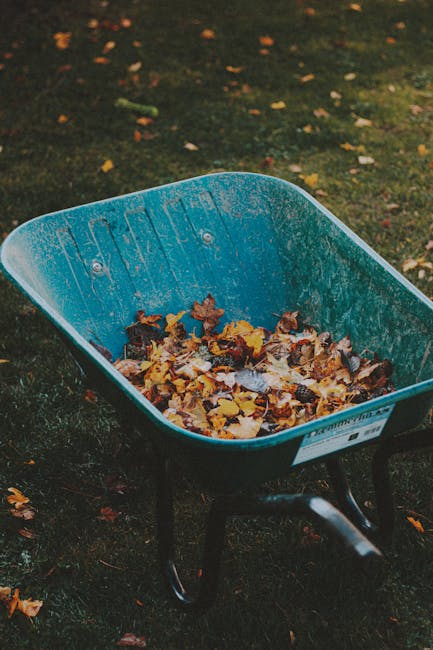
An emergency tidy-up matters because outdoor mess rarely stays "just visual" for long. Wet leaves turn slippery. Brambles spread. Fallen branches become a nuisance. Overgrown growth can block access, obscure lighting, or make an otherwise pleasant entrance feel neglected. Even if the problem is purely cosmetic, a poor first impression can be enough to create stress you really did not need that day.
There is also the practical side. A quick response can stop a minor issue from becoming a bigger job. For example, a broken trellis caught on a hedge might be a small fix today, but left for a week it can tear more growth and leave the area looking messier than before. Same-day help can prevent that kind of domino effect.
If the tidy-up is part of a broader property care plan, it often sits neatly alongside garden maintenance or a more thorough garden clearance. The difference is urgency. Emergency work is about stabilising the situation first, then deciding what comes next.
Expert summary: a same-day tidy-up is most valuable when the space needs to look better fast, become safer fast, or simply stop getting worse fast. That is the real win.
How Same day gardeners in SE1 for emergency tidy ups Works
The process is usually more straightforward than people expect. You make contact, explain the issue clearly, and describe what the space looks like right now. The best results come when you are specific. "The back garden is overgrown" is useful; "there are leaves, a fallen branch, and the path is blocked near the gate" is much better. A tiny bit of detail saves everyone time.
From there, the gardener will usually assess whether the task can be done the same day, whether it needs more than one person, and what tools might be needed. Some jobs are light and quick. Others need hedge trimmers, heavy-duty bags, a mower, or removal equipment. Truth be told, you do not always know how big it is until someone is standing there looking at the actual mess.
In a same-day scenario, the aim is often triage. That means dealing with the most visible or urgent parts first: clearing access, collecting loose debris, trimming obvious growth, cutting back unsafe or untidy sections, and tidying edges so the whole space feels under control again. If the job becomes more specialised, the team may recommend follow-up work such as hedge trimming, lawn mowing, or even tree lopping and removal where appropriate.
A good operator will also be clear about what they can safely do on the day. That matters. You want a tidy-up, not a rushed attempt that creates new problems. Nobody needs a heroic shortcut with a ladder and a wobble. Not ideal.
Key Benefits and Practical Advantages
There are several reasons people choose same-day help rather than waiting for a standard booking slot.
- Speed of response: useful when visitors, agents, tenants, or neighbours are due soon.
- Better first impressions: especially important for front gardens, shared entrances, and properties going on the market.
- Reduced stress: the garden stops hanging over your head like a little unfinished task.
- Safer access: paths, steps, gates, and patio edges can be cleared quickly.
- Prevents further mess: loose debris, wet leaves, and wind-blown clippings are easier to manage before they spread.
- Flexible scope: many tidy-ups can be scaled to suit the problem, from a quick spruce-up to a more structured clearance.
There is also a subtle but real benefit: a tidy outdoor space changes how the rest of the property feels. You open the back door and instead of seeing chaos, you see order. A clean path, a trimmed edge, bins out of sight, and the smell of fresh-cut grass. Small thing, maybe. But it changes the mood of the day.
If you want a wider overview of how services can fit together, the services overview is a useful place to see the bigger picture without overcomplicating it.
Who This Is For and When It Makes Sense
Emergency tidy-up gardening is not only for dramatic garden disasters. In fact, it is often used for fairly ordinary situations that have simply got out of hand at the wrong moment.
This service makes sense if you are:
- preparing for guests, an event, or a family gathering
- trying to get a rental property ready for viewings or check-in
- dealing with a stormy night that has left branches and debris around
- managing a shared courtyard or communal area that needs a quick reset
- working to improve kerb appeal before selling or photographing a property
- unable to physically handle the clearing yourself, even though the job is small
It also makes sense if you simply do not want the space to feel embarrassing. That sounds a bit blunt, but it is a common reason. People often wait until the garden starts affecting how they use the house. The mess becomes something you avoid looking at. Then the guilt builds. Then the weather turns. Then it really needs doing.
For some homes in SE1, especially where outdoor areas are compact and visible from the street or neighbouring flats, even a modest tidy-up can have a big impact. A few minutes of cutting back, collecting waste, and brushing surfaces can transform the feel of the place.
Step-by-Step Guidance
If you are booking a same-day tidy-up, a simple plan helps. Here is the clearest way to approach it.
- Identify the urgent problem. Is it leaves, broken branches, overgrowth, or a general untidy look?
- Take a quick look at access. Check gates, side paths, parking restrictions, and where waste can be taken out.
- Share the essentials early. Mention the size of the area, whether there is shared access, and what must be dealt with first.
- Ask what can be done today. The aim is to understand the realistic scope, not to guess.
- Clear the area if needed. Move toys, plant pots, furniture, bikes, or anything fragile out of the way.
- Prioritise safety and presentation. Ask for the most visible and risky items to be handled first.
- Review the result before the team leaves. A quick walk-through usually catches anything that needs another pass.
One useful habit: take a couple of photos before the work starts. Not for drama. Just for clarity. It helps you explain what needs doing and gives you a before-and-after reference if you later want to plan maintenance more sensibly.
If the garden needs follow-on care, consider moving from emergency work into scheduled upkeep. That is often where garden maintenance becomes the sensible next step rather than waiting for the next mini-crisis.
Expert Tips for Better Results
In our experience, the best emergency tidy-ups are the ones where the customer gives clear priorities and the gardener works with a realistic end goal. Not every job needs perfection. Sometimes "safe, neat, and presentable by 4pm" is the right brief. Honest brief, better result.
Tip 1: Separate urgent from non-urgent work. Ask yourself what truly needs to happen today. If the path is blocked, that comes first. If the border weeds are annoying but harmless, they can wait.
Tip 2: Be realistic about waste. If there is a lot of green waste, clippings, or broken material, removal can add time. Planning for that at the start avoids awkward surprises later.
Tip 3: Keep access simple. The more open the route to the garden, the quicker the job tends to go. It sounds obvious, but it is often overlooked.
Tip 4: Match the finish to the property. A small courtyard, a family garden, and a managed rental all need slightly different treatment. A good tidy-up respects that. Overcutting or over-clearing can make a space look blunt and stripped back, which is not always the goal.
Tip 5: Ask for advice, not just labour. A proper gardener should be able to say, "This can be cleaned up today, but this hedge would benefit from a fuller trim next week." That sort of advice is worth having.
A slightly human note here: if you are embarrassed by how bad it looks, do not be. Gardens get away from people. Life happens. Rain happens. Work happens. The important bit is sorting it out.
Common Mistakes to Avoid
A rushed booking can go wrong if you do not think through the basics. Here are the most common mistakes people make when they need a fast tidy-up.
- Being too vague: "It's a bit messy" is not enough if the job is urgent.
- Expecting a full renovation: same-day tidy-ups are about rapid improvement, not a complete redesign.
- Leaving access blocked: tools, bins, furniture, and bags can slow everything down.
- Forgetting waste removal: clippings and debris do not magically disappear, sadly.
- Choosing purely on speed: the quickest option is not always the safest or most suitable.
- Ignoring follow-up needs: some jobs need a second visit or specialist service afterwards.
Another easy mistake is assuming every garden issue is safe to handle without proper equipment. That is not always the case, especially where branches are unstable, hedges are tall, or access is awkward. If something looks risky, it usually is. Better to say so than to improvise.
Tools, Resources and Recommendations
For a same-day tidy-up, the right tools depend on the state of the garden. A light refresh may only need hand tools and waste bags. A more demanding job may call for mowers, trimmers, shears, blowers, and heavier removal equipment. The point is not to use everything. It is to use the right thing first.
Commonly useful items include:
- hand shears for quick shaping and small cuts
- hedge trimmers for fuller boundary growth
- mowers for grass that has grown too long to ignore
- rakes and brushes for leaves, twigs, and loose material
- heavy-duty waste bags for green waste and general debris
- loppers or pruning tools for manageable woody growth
If the tidy-up reveals larger issues, it helps to know what service fits next. For example, a patchy lawn may need a proper cut through lawn mowing. A heavy hedge can be taken back with hedge trimming. If the ground area itself needs a bigger redesign after the urgent clean-up, landscape gardening or landscaping may be the longer-term answer.
And if the issue is not just tidy-looking but structurally awkward, such as unstable tree growth or risky overhangs, it is better to discuss that openly before work begins. Better a cautious plan than a rushed one, every time.
Law, Compliance, Standards, or Best Practice
For emergency gardening work in London, the main concern is usually not legal complexity; it is safe, responsible practice. That said, there are a few common-sense standards worth respecting.
First, any work near public pavements, shared entrances, or communal access should be carried out with care so that pedestrians and residents are not put at risk. If green waste, cuttings, or tools could create a trip hazard, they need to be managed properly. That sounds obvious, but obvious things are the ones that get missed when everyone is rushing.
Second, good operators should work in line with basic health and safety expectations. That means sensible use of equipment, clear awareness of access risks, and attention to how debris is stored, moved, or removed. If you are comparing providers, it is reasonable to ask how they approach safety and what protections they put in place. You can also review pages like insurance and safety and the health and safety policy to understand the standard of care being offered.
Waste disposal is another practical point. Green waste should be handled responsibly, and where possible, recyclable material should be separated from general rubbish. If sustainability matters to you, it is worth checking how waste is managed. The recycling and sustainability approach can be a helpful sign of how carefully a service is run.
Finally, if you are in a managed building, leasehold property, or shared courtyard, there may be house rules about access, noise, timings, or where waste can be placed. It is usually best to check those before the work starts. Nothing dramatic. Just saves awkward conversations later.
Options, Methods, or Comparison Table
Not every untidy garden needs the same kind of response. Sometimes the fastest fix is also the smartest one. Sometimes it is not. Here is a simple comparison to help you decide.
| Option | Best for | Typical scope | When to choose it |
|---|---|---|---|
| Same-day tidy-up | Urgent visual improvement and quick safety fixes | Clearing, light cutting back, path access, debris removal | When you need the garden presentable today |
| Garden maintenance | Regular upkeep and prevention of overgrowth | Ongoing mowing, trimming, weeding, seasonal care | When you want to avoid repeat emergencies |
| Garden clearance | Heavier jobs with significant waste or neglect | Bulk removal, full clear-out, more labour-intensive work | When the space has become too cluttered for a simple tidy-up |
| Specialist pruning or tree work | Large shrubs, tall hedges, or risky tree-related issues | Controlled cutting, reduction, removal where suitable | When the issue goes beyond normal tidy-up work |
To be fair, most people do not need every option. They just need the right one. That is the point of getting advice before a job starts.
Case Study or Real-World Example
Here is a realistic scenario. A small SE1 property has a narrow rear garden used by two flatmates. After a windy weekend, the garden is covered with leaves, a few broken stems, a knocked-over planter, and a patch of grass that has started to disappear under the mess. Nothing is dangerous exactly, but it looks tired and awkward. They have guests coming that evening, and the back door opens straight onto the space. So, yes, it matters.
A same-day tidy-up in that situation would usually focus on the following:
- removing loose debris and fallen plant material
- resetting the path and doorway area so access feels clean
- cutting back obvious overgrowth
- collecting waste for responsible disposal
- making the space look orderly rather than "perfect"
By the end of the visit, the garden would not be transformed into a showroom. That would be unrealistic. But it would feel usable again. It would stop being something everyone avoided looking at. And that, honestly, is often enough. The difference is obvious the moment you open the back door.
If that same space continued to get messy, the sensible next step would be scheduled upkeep rather than another emergency call. A straightforward maintenance plan usually saves money and stress over time, even if the initial fix was a quick one.
Practical Checklist
Use this checklist before you book or before the gardeners arrive. It keeps things smooth, and it prevents the "oh, I forgot to mention that" moment.
- Identify the main problem area.
- Take a few photos if the issue is hard to explain.
- Make access clear and safe.
- Move fragile items out of the way.
- Decide what must be done today and what can wait.
- Ask whether waste removal is included or separate.
- Check if tall hedges, branches, or larger growth need specialist attention.
- Confirm any building, leasehold, or communal rules that may apply.
- Review the result before the team leaves.
- Book follow-up care if the garden tends to get overgrown quickly.
Quick takeaway: if you keep the brief clear and the access easy, a same-day tidy-up can be remarkably effective. Messy garden, calmer head. Simple as that.
Get a free quote today and see how much you can save.
Conclusion
Same-day gardening help in SE1 is really about restoring control when a garden feels out of control. It is quick, practical, and often far more useful than waiting days for a slot that no longer suits the problem. Whether you are dealing with storm debris, a last-minute viewing, an untidy entrance, or just a space that has quietly got away from you, emergency tidy-up work can bring things back to a sensible baseline fast.
The best outcomes come from clear communication, realistic expectations, and a provider who understands the difference between a rushed fix and a proper, careful tidy. That balance matters. It is what turns a stressful afternoon into something you can breathe through again.
And once the immediate mess is under control, you can think ahead more calmly. Maybe that means regular upkeep, maybe it means a one-off clearance, maybe it means a better garden layout later on. For now, though, getting the space tidy and safe is enough. Sometimes enough is exactly right.
Frequently Asked Questions
What counts as an emergency tidy-up in a garden?
An emergency tidy-up usually means a fast response to a garden that needs to look better or function better on the same day. Common examples include fallen branches, heavy leaf fall, overgrown access paths, or a garden that needs to be presentable before visitors arrive.
How quickly can same day gardeners in SE1 usually arrive?
That depends on availability, the size of the job, and how much equipment is needed. A light tidy-up may be possible quite quickly, while a larger or more complex job may need a later same-day slot. The clearer your brief, the easier it is to schedule.
Can a same-day visit include waste removal?
Often, yes. Many tidy-ups include collecting and removing green waste and loose debris. It is always worth confirming this at the start, because the amount of waste can affect time, effort, and what can be completed during the visit.
Is a same-day tidy-up the same as garden clearance?
Not really. A tidy-up focuses on quick improvement and immediate presentation. Garden clearance is usually more intensive and suited to heavily cluttered or neglected spaces. If the job looks bigger than expected, clearance may be the better option.
What information should I give when requesting urgent gardening help?
Share the location, the type of problem, the approximate size of the space, access details, and any urgent priorities. If there are hazardous areas, awkward steps, shared gates, or restrictions on waste removal, mention those too. It saves time and reduces surprises.
Can gardeners deal with hedges or overgrown shrubs on the same day?
Yes, if the growth is manageable and safe to cut back within the time available. If the hedge is very tall, dense, or awkwardly positioned, it may need a fuller follow-up service. In many cases, hedge trimming is the natural next step.
What if my lawn is part of the problem?
If the grass is long or untidy, a same-day service may be able to improve it with a cut and clean-up, depending on conditions. For ongoing results, lawn mowing is usually best done regularly rather than only in emergencies.
Are same-day tidy-ups suitable for rental properties?
Very much so. They are often used to get rental gardens ready for viewings, new tenants, inspections, or end-of-tenancy presentation. In that setting, speed and a neat finish matter more than a complete redesign.
What should I ask about safety before booking?
Ask how the work will be handled safely, whether the team is insured, and how risks such as branches, tools, access, or debris will be managed. It is also sensible to review the provider's insurance and safety information before deciding.
How do I know whether I need maintenance instead of an emergency visit?
If the garden keeps becoming untidy every few weeks, or if the work is always the same kind of cut-back and clear-up, then regular garden maintenance is probably the better long-term choice. Emergency tidy-ups are brilliant for immediate fixes, but not ideal as a permanent habit.
Can emergency garden work help improve kerb appeal quickly?
Yes. A fast tidy-up can make a front garden or entrance look much more cared for, which helps when you are expecting guests, buyers, tenants, or simply want the property to feel more welcoming. It is one of the quickest ways to change the feel of a place.
What is the most common mistake people make when booking urgently?
The most common mistake is under-explaining the problem. If the garden has several issues, say so. If access is awkward, mention it. If the job might need more than one visit, be honest about that too. Clarity always helps, especially when time is tight.