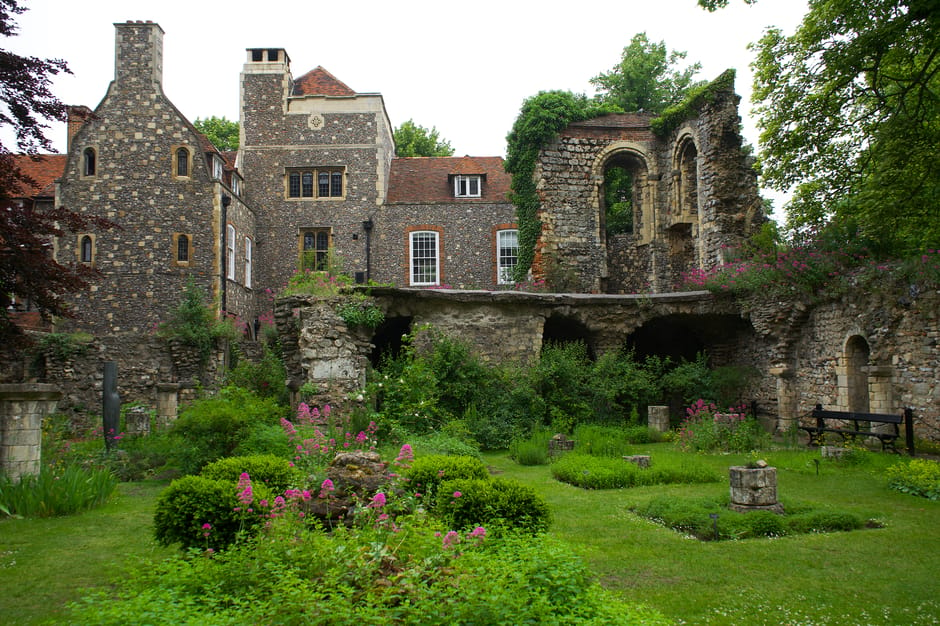
Southwark Cathedral garden care for listed buildings
If you are responsible for garden care around a listed building, you already know it is never just "mowing and tidying". Southwark Cathedral garden care for listed buildings needs a careful balance: keeping the space healthy, welcoming, and dignified while respecting heritage fabric, protected views, and the slow, deliberate character of a historic site. That can feel a bit daunting at first. Truth be told, it should. But with the right approach, the work becomes manageable, calm, and far more predictable.
In this guide, you will learn what this kind of care involves, how it works in practice, what to avoid, and how to plan maintenance without upsetting historic features or creating unnecessary risk. Whether you look after a churchyard edge, a contemplative courtyard, a small formal border, or the grounds around a listed structure, the same principle applies: do the least intrusive thing that solves the problem properly.
Table of Contents
- Why Southwark Cathedral garden care for listed buildings Matters
- How Southwark Cathedral garden care for listed buildings Works
- Key Benefits and Practical Advantages
- Who This Is For and When It Makes Sense
- Step-by-Step Guidance
- Expert Tips for Better Results
- Common Mistakes to Avoid
- Tools, Resources and Recommendations
- Law, Compliance, Standards, or Best Practice
- Options, Methods, or Comparison Table
- Case Study or Real-World Example
- Practical Checklist
- Conclusion
- Frequently Asked Questions
Why Southwark Cathedral garden care for listed buildings Matters
Gardens attached to listed buildings are not "ordinary green spaces". They are part of a wider historic setting. That means the lawn, hedges, borders, path edges, walls, and even the way plants soften stonework can contribute to how the place is understood and experienced. Around a cathedral, the atmosphere matters almost as much as the plants themselves. You can see it on a damp morning when the stone warms slowly in the light and the planting frames the architecture rather than competing with it.
Good care protects more than appearance. It helps prevent moisture trapping, root pressure, blocked drainage, trip hazards, and overgrown vegetation pushing against masonry. It also supports the site's dignity. A neglected garden can make an important building feel tired and inaccessible. A clipped, well-judged landscape can do the opposite: it can invite quiet, reflection, and respectful use.
For listed buildings, the stakes are higher because the wrong intervention can be costly to reverse. Heavy machinery on fragile ground, aggressive cutting near historic walls, or the removal of established planting without proper thought can all cause problems that linger. That is why a measured maintenance plan is usually better than reactive "big tidy-up" visits.
If you are managing a wider heritage landscape, it helps to think in layers. Some work is routine and light-touch, such as regular lawn mowing or simple seasonal pruning. Other tasks need more caution, like hedge shaping, tree work, or clearance around drainage channels. The best results come when maintenance is planned, not rushed.
How Southwark Cathedral garden care for listed buildings Works
At its core, this kind of garden care is a sequence of observation, gentle intervention, and review. You begin by understanding the site: what is protected, what is historic planting, what has changed over time, and where the practical issues are. Then you decide what can be maintained routinely and what needs a specialist or more formal sign-off.
In practice, the process often looks like this:
- Survey the site carefully. Look at lawn condition, hedge lines, tree canopy, boundary walls, soil compaction, drainage, shade, and access routes.
- Identify heritage-sensitive areas. Note anything that should not be disturbed, moved, re-levelled, or cut back heavily without proper consideration.
- Prioritise safety and access. Clear paths, reduce slip hazards, keep entrances welcoming, and remove dead material that could fall.
- Choose low-impact methods first. Hand tools, selective pruning, and phased work are often better than dramatic one-off interventions.
- Document what was done. That helps future maintenance and is useful where several people manage the site.
There is also a hidden practical element: timing. Spring growth can explode almost overnight, and late summer can leave beds looking messy in a way that tempts people into overcutting. Resist the urge. A heritage garden usually benefits more from steady, repeatable care than from dramatic "reset" days.
When tree work is involved, extra care is essential. Even if a tree seems straightforward, roots, canopies, and nearby structures can interact in ways that are not obvious at first glance. In such cases, specialist tree lopping and removal services may be part of a wider plan, but only after checking what is actually needed. Sometimes pruning is enough. Sometimes it is not. You need judgement, not guesswork.
Key Benefits and Practical Advantages
Well-managed heritage garden care delivers benefits that are both visible and practical. The obvious one is presentation: the grounds look cared for, which matters hugely around a cathedral or other landmark building. But there are deeper advantages too.
- Better protection of historic fabric: Controlled growth reduces pressure on stone, mortar, fences, and drainage points.
- Improved visitor experience: Clear paths, tidy edges, and balanced planting make the site easier to use and enjoy.
- Lower long-term repair risk: Small issues are easier and cheaper to manage before they become structural or ecological headaches.
- More predictable maintenance cycles: Routine care is far easier to budget for than emergency clearance.
- Stronger visual respect for the building: The garden supports the architecture instead of fighting it.
There is also a reputational benefit. A well-tended listed-site garden tells visitors, members, and neighbours that the place is valued. That matters in Southwark, where people are often passing through quickly and making snap judgments. One glance and they know whether the grounds feel cared for.
If the site includes larger landscaped areas, broader landscaping decisions may also improve how the garden functions across the seasons. And for spaces that need continuous attention, a reliable garden maintenance schedule can keep things from drifting into that awkward stage where everything looks "nearly tidy" but nothing quite is.
Who This Is For and When It Makes Sense
This kind of care is relevant to anyone responsible for gardens or grounds attached to listed buildings. That includes cathedral teams, trustees, property managers, conservation-minded landlords, facilities teams, and contractors working on historic estates. It can also apply to small churches, schools, courtyards, rectories, and civic buildings with protected status.
It makes sense when any of the following start happening:
- vegetation is close to masonry or historic boundary walls
- pathways are becoming slippery, narrow, or overhung
- the garden is losing its shape and balance through uneven growth
- tree canopies are shading out planting or creating debris issues
- the site needs a maintenance plan rather than ad hoc call-outs
- you want the grounds to look respectful without over-manipulating them
Sometimes the trigger is simple. A single season of heavy rain and warm weather can make a once-manageable space feel unruly. Other times, it is a slow drift. People get used to it, then one day the whole place feels like it needs two weekends and a miracle. We have all seen that sort of thing.
If the issue is cluttered beds, piles of old cuttings, or inherited debris from previous works, a targeted garden clearance approach may be more suitable before normal maintenance can resume. That is especially true where access is tight or where you do not want waste sitting around historic surfaces for too long.
Step-by-Step Guidance
If you are planning Southwark Cathedral garden care for listed buildings, a structured process keeps the work safe and sensible. Here is a practical framework that works well in real life.
1. Start with a proper walkaround
Walk the site slowly. Look for cracked paving, mossy patches, self-seeded growth, blocked gulley areas, leaning shrubs, dead branches, and plants touching the building. Listen as well. Sounds of scraping, instability, or water movement can tell you something is off. A site can look calm and still be quietly misbehaving underneath.
2. Separate routine work from sensitive work
Routine tasks may include mowing, edging, light pruning, deadheading, litter removal, and sweeping paths. Sensitive tasks might include tree pruning, lifting canopies, hedge reductions, root management, or changes to planting structure. The sensitive tasks need more caution, and often more discussion before anybody reaches for the secateurs.
3. Protect the building before touching the garden
Cover or guard vulnerable surfaces if needed, and plan access routes that avoid dragging tools across stone or gravel where possible. Historic buildings do not appreciate casual treatment. They remember. Or at least it feels that way when a careless wheel mark refuses to vanish.
4. Work from the least intrusive solution upward
Ask first whether a lighter action will solve the issue. Could the hedge be trimmed rather than reduced? Could the bed be reshaped rather than dug out? Could clearance be phased over two visits? The least intrusive solution is often the best starting point, not the final one.
5. Review after the work
Check sightlines, drainage, plant health, and whether the area still feels balanced. If the garden looks over-pruned or too bare, you may have gone too far. Heritage gardens need room to breathe, but they also need softness and continuity.
For routine grass and border upkeep, it can help to build a seasonal rhythm around services such as lawn mowing and hedge trimming. That way, the site does not swing between immaculate and wild. It just stays quietly under control. Much better, really.
Expert Tips for Better Results
A few habits make a noticeable difference on listed sites. These are the kinds of things that seasoned teams tend to do almost automatically, but they are worth spelling out.
- Use hand finishing near heritage surfaces. A machine may be efficient, but a hand finish gives more control around tight edges and awkward corners.
- Prune for structure, not just size. Removing a few poorly placed shoots can be better than taking a lot off indiscriminately.
- Leave space for airflow. Dense planting against walls can trap moisture and encourage decay.
- Keep a light touch with soil levels. Raising or lowering ground around historic fabric can create long-term problems.
- Schedule before the garden looks desperate. Maintenance works best when it is preventative, not heroic.
One practical trick: keep a simple site note after each visit. What grew fastest? Which area held water? Which tree dropped the most debris? Over time, that record becomes more useful than any polished brochure. And yes, it saves you from having the same conversation every month.
If the work involves mixed use spaces or broader exterior improvements, it can be helpful to discuss related services through the wider services overview. For some sites, the garden plan and the hard landscaping plan need to move together, especially if foot traffic, edging, and visibility all matter at once.
Common Mistakes to Avoid
Listed buildings punish rushing. Not dramatically, maybe, but steadily. The mistakes below come up often enough to be worth naming.
- Cutting too hard, too fast. Heavy pruning can leave a garden looking stark and can stress the plant.
- Ignoring root or wall interactions. What looks like "just a shrub" may be influencing moisture and movement near masonry.
- Using the same treatment everywhere. A formal border, a shaded path edge, and a boundary hedge all need different handling.
- Leaving waste piled on sensitive surfaces. Damp clippings can stain, compress, or encourage unwanted growth beneath them.
- Assuming listed means frozen. Heritage care is not about doing nothing. It is about doing the right thing, carefully.
A very common issue is the "while we are here" temptation. Someone trims the hedge, then notices the border, then spots a tree, then decides the path should be edged, and by the end of the morning the site has had five different interventions with no overall plan. It happens. More than people admit.
Another mistake is ignoring sustainability. If green waste is not sorted and handled properly, you lose an easy opportunity to reduce disposal burden. In many settings, a thoughtful approach to recycling and sustainability can support both the site ethos and practical waste management.
Tools, Resources and Recommendations
You do not need a van full of specialist gadgets to care for a listed garden properly, but the right kit matters. Good tools reduce damage, improve precision, and make the work less tiring.
Useful tools usually include:
- hand secateurs and loppers for selective cuts
- hedge trimmers for controlled, even finishing on appropriate growth
- lightweight mowers for managed turf areas
- spades and hand forks for careful border work
- brushes, rakes, and blowers used with restraint near historic features
- barrows or buckets for moving waste without dragging it across surfaces
Useful working habits include:
- checking access routes before bringing equipment in
- keeping blades sharp to reduce tearing
- cleaning tools between areas if disease or debris is a concern
- working in sections so the whole site never looks half-finished for long
For teams needing help with the practical side of site tidy-up, garden clearance can be a sensible starting point before maintenance becomes the focus again. Where the garden needs a more continuous care cycle, a regular maintenance plan is usually easier on the plants, the budget, and everybody's patience.
If you are comparing providers, ask how they handle access, waste, safety, and delicate surfaces. It is a fair question. In fact, it is the right question.
Law, Compliance, Standards, or Best Practice
With listed buildings, care should always be aligned with the expectations of heritage protection, site management, and safe working practice. Exact duties can vary depending on the status of the building, its setting, and the nature of the work, so it is wise to proceed carefully and seek the right approvals where needed.
As a general rule, best practice includes:
- checking whether the work could affect the character of the listed setting
- avoiding unnecessary removal of established planting or historic landscape features
- using proportionate methods and keeping interventions reversible where possible
- coordinating with building managers or heritage leads before significant changes
- planning work so it does not create health and safety risks for visitors or staff
For contractors, solid working systems matter too. Clear risk assessment, sensible site control, and appropriate public protection are standard expectations on busy heritage sites. If you are comparing providers, it is reasonable to ask about insurance and safety as well as how they manage work around vulnerable materials and tight access.
It is also worth reviewing general working policies where relevant, especially for larger or recurring contracts. A clear health and safety policy can tell you a lot about whether a contractor is thinking beyond the immediate task. And yes, on a live site, that matters more than a shiny tool kit.
Options, Methods, or Comparison Table
Different garden care methods suit different parts of a listed site. The comparison below is not about "best" in the abstract; it is about choosing the least disruptive approach that still does the job.
| Method | Best for | Advantages | Watch-outs |
|---|---|---|---|
| Routine maintenance | Ongoing lawns, borders, hedges, and paths | Keeps the site stable and predictable | Needs consistency; can be neglected if visits are too far apart |
| Selective pruning | Established shrubs and smaller trees near historic features | Preserves shape while reducing risk | Requires judgement; overcutting is easy |
| Garden clearance | Overgrown or inherited problem areas | Resets the site and improves access | Can be visually harsh if done all at once |
| Landscape gardening | Small redesigns or rebalancing of planting | Improves function and appearance together | May need more planning to suit heritage constraints |
| Targeted tree work | Canopy issues, shading, safety concerns | Can protect buildings and improve light | Should be assessed carefully before any removal is decided |
In many cases, the right answer is a blend rather than a single method. A heritage site might need regular mowing, light hedge work, occasional clearance, and only rare structural change. That mix is normal. It is actually a good sign if the work stays mostly boring. Boring means steady.
Case Study or Real-World Example
Imagine a small cathedral-adjacent garden with clipped hedging, a lawn used by visitors, and planting close to an old stone boundary. Over one damp season, the hedge starts leaning into the path, the lawn gets patchy near the shade line, and leaves collect in corners where water lingers. Nothing dramatic. Just enough to make the place feel a bit tired.
The sensible response is not to strip everything back. First, the path edge is cleared to restore access. Then the hedge is trimmed lightly to regain shape without exposing bare stems. The lawn is mown with the shade problem in mind, which means accepting that some areas need less aggressive treatment than others. Finally, the border is adjusted so air can move around the base of the wall, reducing trapped damp and helping the planting recover.
The result is not flashy. It does not need to be. The garden feels calmer, the building reads more clearly, and visitors can move through the space without dodging overgrowth. That is the sweet spot for heritage care: obvious improvement, minimal fuss, no drama.
In our experience, the best outcomes on listed sites come from small wins stacked neatly over time. A bit here, a bit there. Then one day the whole place just feels right again.
Practical Checklist
Use this checklist before and after any listed-building garden visit.
- Confirm which areas are sensitive or protected
- Walk the site before starting work
- Check for access issues, trip hazards, and wet ground
- Decide what is routine and what needs extra caution
- Choose the least intrusive method that solves the problem
- Protect stone, timber, and paving from accidental damage
- Keep cuttings and waste away from delicate surfaces
- Review hedge shape, lawn condition, and plant balance after work
- Record anything unusual for the next visit
- Schedule the next maintenance point before growth gets out of hand
Quick takeaway: if the garden looks neat but the work has been heavy-handed, the job probably missed the point. The goal is not just tidiness. It is respectful, sustainable care that keeps the building and grounds working together.
Conclusion
Southwark Cathedral garden care for listed buildings is about judgement as much as gardening skill. The right approach protects historic fabric, improves access, and preserves the character that makes the site special in the first place. It is measured, patient work. Sometimes nearly invisible, which is exactly why it works.
If you plan carefully, use light-touch methods, and keep an eye on the bigger picture, the garden becomes an asset rather than a maintenance headache. That is true whether you are dealing with lawns, hedges, clearance, or more involved landscape decisions. A good heritage garden feels like it has always belonged there. Not forced. Not overworked. Just quietly in harmony with the building.
Get a free quote today and see how much you can save.
And if you are still weighing up the next step, start with a site walk, a short note list, and a calm conversation. That is usually where the sensible work begins.
Frequently Asked Questions
What does Southwark Cathedral garden care for listed buildings actually involve?
It usually means careful maintenance of lawns, hedges, borders, paths, trees, and surrounding planting in a way that respects the building's historic character. The focus is on light-touch, practical work rather than heavy redesign.
Why is garden care different for listed buildings?
Because the garden may form part of the historic setting. Changes that are routine in a modern garden can be disruptive or inappropriate near protected fabric, views, or planting that has heritage value.
Can I just use normal garden maintenance methods?
Sometimes, yes, for routine tasks like mowing or light tidying. But anything near walls, old structures, mature trees, or historically significant planting should be approached more carefully.
How often should a listed garden be maintained?
It depends on growth rates, visitor use, and the season, but regular smaller visits are usually better than occasional major clearances. That keeps the site stable and avoids dramatic swings in appearance.
Is hedge trimming safe around historic buildings?
It can be, if done carefully and with the right timing. The key is to avoid overcutting, protect surfaces from damage, and preserve the hedge's role in framing or screening the site.
When is garden clearance necessary?
Garden clearance makes sense when an area has become overgrown, cluttered, or difficult to access. It is often the first step before normal maintenance can resume, especially on neglected sections.
Do tree works need special attention on listed sites?
Yes. Trees can affect light, drainage, roots, and the condition of nearby structures. Even a small pruning job should be considered carefully, and removal should never be assumed to be the first answer.
What are the biggest risks of poor heritage garden care?
The main risks are damage to stonework, trapped damp, blocked access, trip hazards, stress to plants, and a gradual loss of the site's historic feel. Heavy-handed work can also be expensive to put right.
How do I choose the right contractor for this type of work?
Look for practical experience, clear communication, sensible safety procedures, and respect for heritage settings. Ask how they handle access, waste, and delicate materials. Their answers should feel considered, not vague.
Is sustainability relevant in listed building garden care?
Very much so. Responsible waste handling, sensible pruning, reuse where appropriate, and careful planning can reduce impact while still keeping the site looking good. The goal is a long-term, low-drama routine.
Should I plan garden work around visitor times?
Yes, if the site is open to the public or regularly used. Working around quiet periods reduces disruption, improves safety, and usually makes the job easier for everyone involved.
How do I know whether I need maintenance, clearance, or landscaping?
If the garden is generally healthy and just needs ongoing care, maintenance is usually enough. If it is overgrown or cluttered, clearance may come first. If the space needs reshaping or functional improvement, landscaping or landscape gardening may be more appropriate.
For questions about service fit, practical planning, or next steps, you can also explore the wider site information, including about us and contact us. Sometimes a short conversation saves a lot of guessing later.